By Abram Himelstein, editor-in-chief
Tony Diaz was already a legend when I arrived in Houston in 1998. His book Aztec Love God was everywhere in the city—and more ubiquitous still was the movement he was organizing, Nuestra Palabra: Latino Writers Having Their Say. There was a weekly radio show, a monthly literature showcase, and a steady stream of events.
It was a literary movement happening in real time. I had wondered, when I was in college, what it would have been like to live in Harlem during the period we now study as the Harlem Renaissance—an unanswerable question. But living in Houston (and then, eventually, post Katrina, returning again and again to Houston) these twenty-five years has answered some part of this question. What is it like to live in a rich literary time, a time in which the authors who are rewiring the rules about literature are alive and working? To live in the middle of a movement? Answer: IT HAS BEEN AMAZING, AWE-INSPIRING.
When building and working on a scene, a literary movement, it often feels intangible. With a radio show, it is hard to know how many radios are tuned in…. but there were other ways to tell: packed houses at the Teatro Bilingue Houston monthly showcase and then—when the state of Arizona outlawed classes in Mexican American history—a response: Librotraficantes: book smuggling into states that had made the teaching of Mexican American Studies illegal.
This moment was met by the movement that had been decades in the making.
So when Tony Diaz approached us with a manuscript he had been writing about the work he and his fellow cultural workers had been organizing—THE BOOK HE WROTE ABOUT BEING AT THE CENTER OF THIS MOVEMENT?!?—I could not wait to read it. When the manuscript arrived, spelling out what it is like to work with a large and varied team to build a regional and then national movement, I felt blessed to have a hand in bringing it to publication.
There were so many parts of this book that blew my mind, but the part that has stayed with me is the most straightforward: what Diaz identifies as Community Cultural Capital, and its utility in making real political and material change in the world. These changes are not small, and Diaz does not diminish their import. When Arizona banned the teaching of Mexican American Studies in school classrooms, the network that had been at work in Nuestra Palabra morphed and grew into Librotraficantes, bringing banned work by Latino writers into the spaces that had tried to make the distribution of these works illegal.
This book is a map backward, an excavation of the making of the work and movement. But also, of course, this book is a map forward, into imagining the world that can be as artists—writers, painters, vocalists, sculptors, rappers—build the world as they see it: one more truthful and beautiful than our current reality.
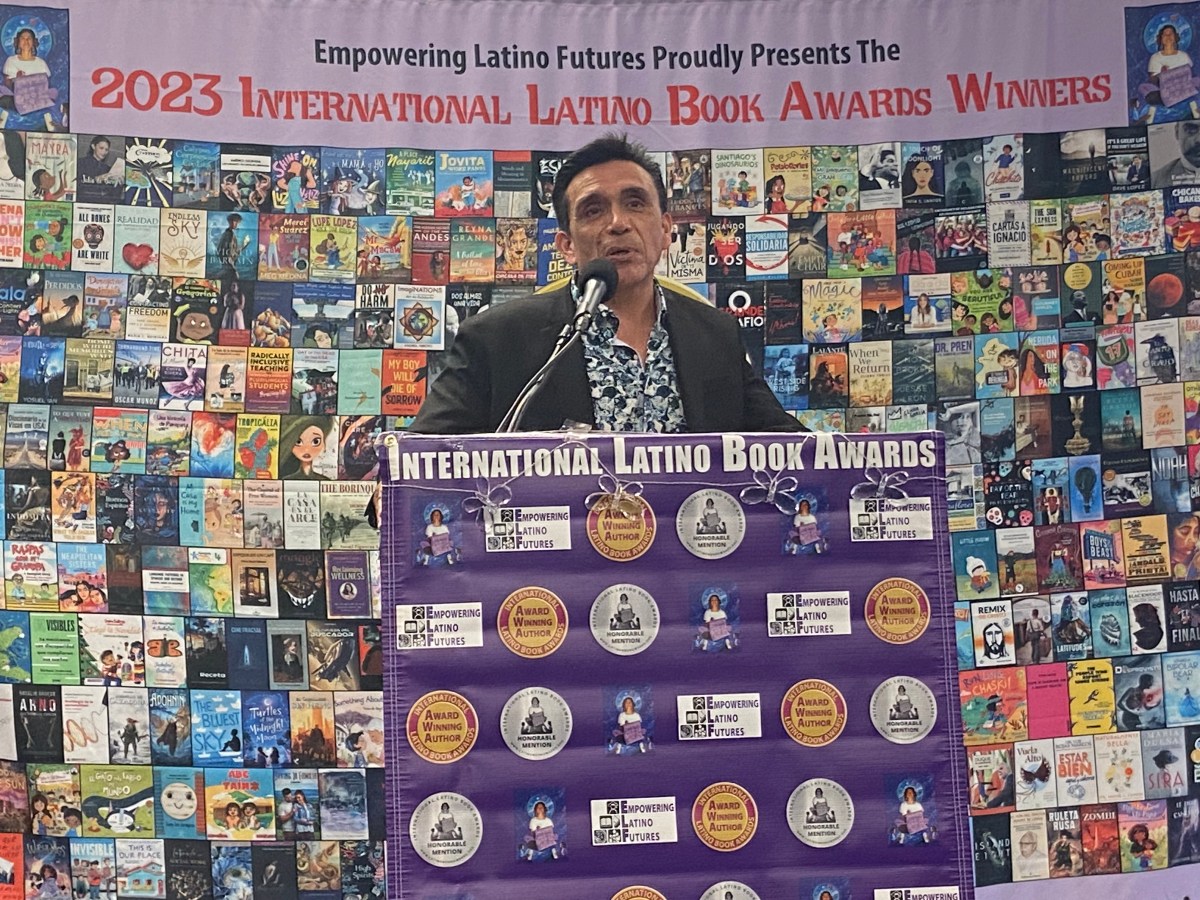
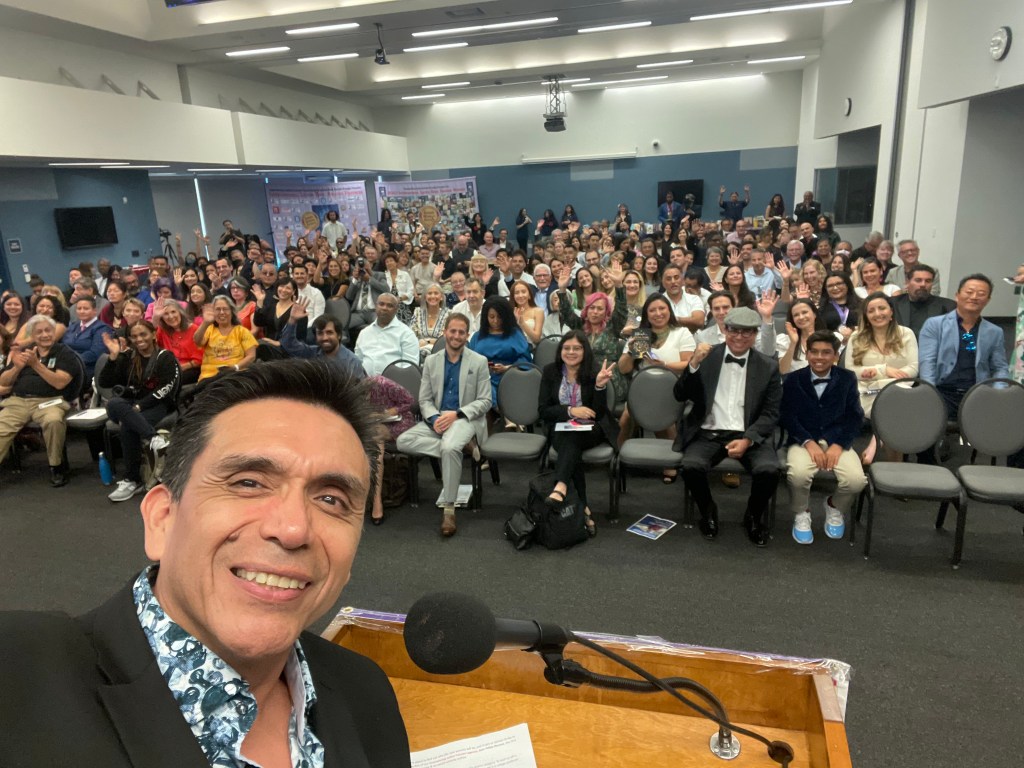
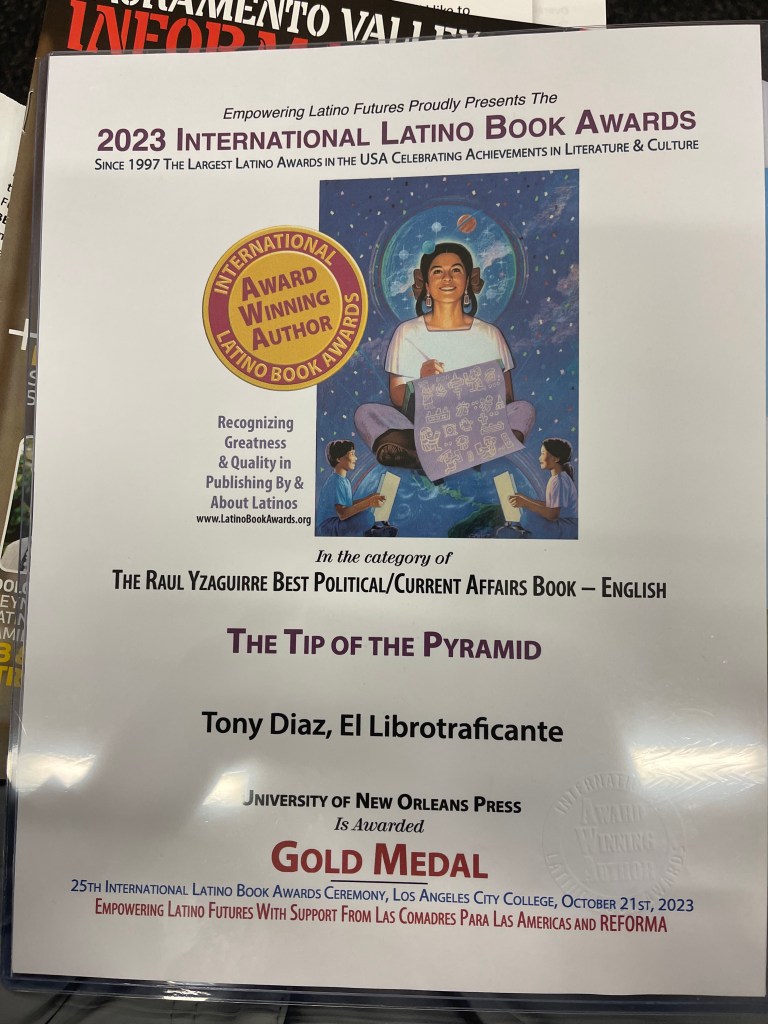
The Tip of The Pyramid: Cultivating Community Cultural Capital came out during Covid but still managed to be a bestselling title for UNO Press, and THIS WEEK, IT WON THE 2023 Raul Yzaguirre Best Political/Current Affairs Book winner as part of the International Latino Book Awards. Congratulations, Tony, and cheers to the movement!
The Tip of The Pyramid: Cultivating Community Cultural Capital is available for purchase now.
 Books Worth the Trees They're Printed On