
By Abram Himelstein, editor-in-chief
It’s hard for me not to have the passion of a true believer about this book.
Part of that comes from when I first read Charras: twenty-one years old, sitting in a classroom in San José, Costa Rica. The professor was on fire about this book that had just been published (I know I am dating myself). There was allegedly one single paperback copy in the country, and the professor had just arrived with it from Mexico City. He brought his singular copy to the copy shop, where our class stood around and waited for the teenager who ran the place to copy, page by page, the 250 pages of this novel.
There were so many parts of this book that blew my mind. I had grown up in a union house in the US, but it was not the Wobblies of the West or the coal miners of West Virginia; it was more a dutiful form of church, serving the abstract, distant god of “the power of the people.” I walked a few picket lines in Mississippi in solidarity with teachers (seventh grade, so I got huge smiles on the line, then we resumed being enemies after they won)—but I had never heard of anything like the scenes in this book, in which an entire town convulses around the fate of one person, the person who had dedicated his days to organizing the people.
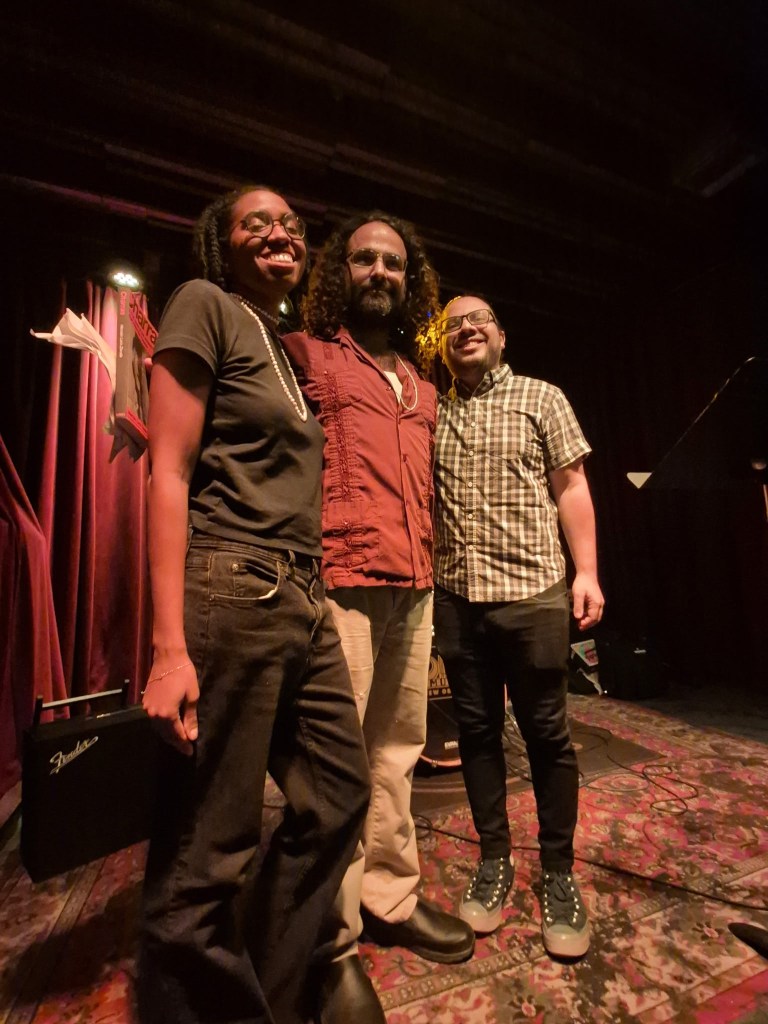
The most troubling part of this amazing book, and I think the thing that kept me returning to it again and again (mostly in my own mind, as my Spanish has rusted since the time I first read it) is Hernán Lara Zavala’s choice to use the second person—“you!”—to refer to the person tasked with killing our hero: “‘Get out of the car!’ you order him. You take the keys to his Volkswagen, you take the folder that is labeled Charras.”
It’s heavy, y’all, to be told you! are doing all of this terrorizing of this amazing person: Charras! But it is also among the truest ways that governmental violence can be expressed. The harm done to Charras is orchestrated by the state—the governor and the chief of police, who are meant to do the people’s work. And it is the response of the citizens of Mérida—their uprising when they learn what has been done by their representatives—that has stayed with me all of these years. While we watch mass political movements around the world, as governments do the work of harming humanity, I read the protest signs: I will not comply! And I remember this successful pursuit of justice that Hernán captures—this enlargement of what is possible through mass movements when the veneer of democracy has slipped off to show the rough beast of lawless capital.
Alright, I should stop myself before I slip into full-blown union rhetoric. But I will say that this book has been moving me into the streets and into union and mass movements for more than thirty years, and it is the book I have most wanted to see live in the English-speaking world. (This is me, knocking on your door, asking, Have you heard the good news?)
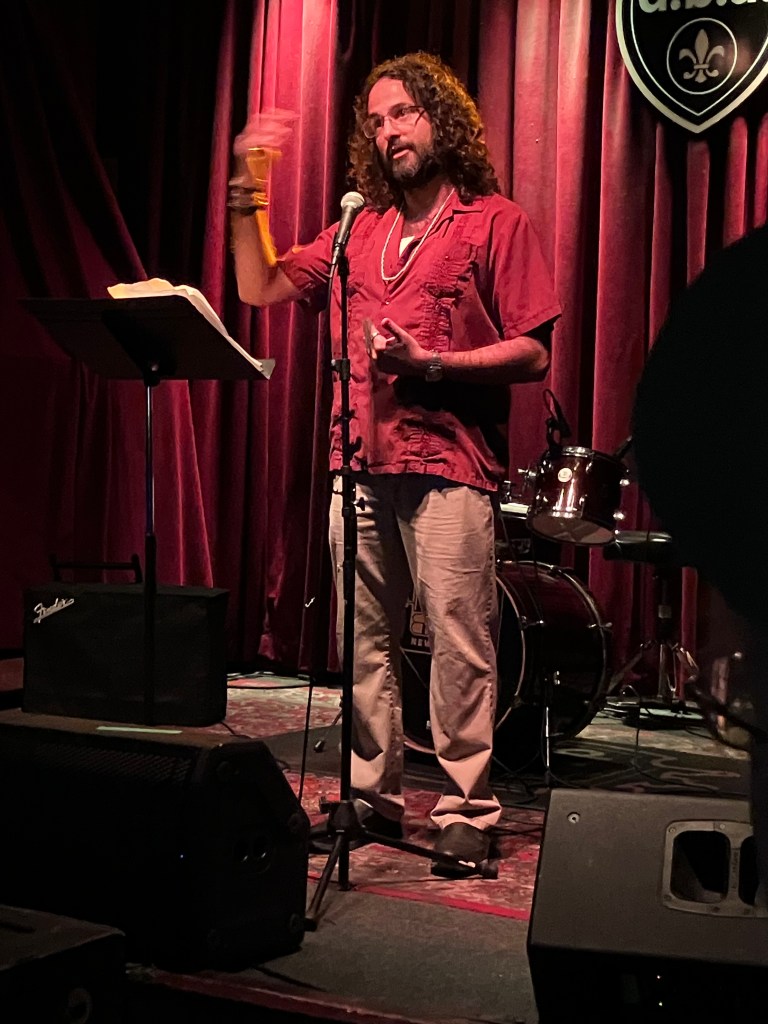
So, I needed to find someone who was going to lovingly translate it, and I had the good fortune to work with Christopher Louis Romaguera on this. Chris has given this project both passion and rigor, working to find ways to accurately express Hernán’s kaleidoscope of voices. And he has succeeded, robustly. As we went through editing and copyediting Charras again and again (a literal five-year process), he refused to let go of the manuscript until it felt right, and actually captured Lara Zavala’s writing.
It is one of the deepest honors of my life to present this amazing work: Lara Zavala’s spellbinding novel with a translation equal to the writing.

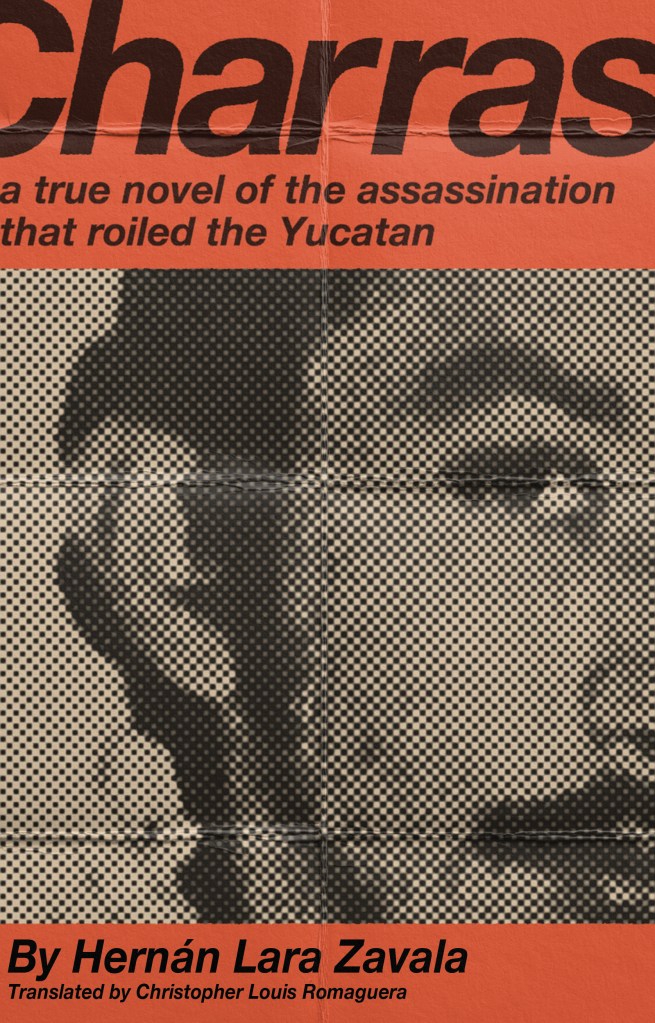
Charras is available for purchase now.
Featured image of Zavala courtesy of Tania Victoria / Secretaría de Cultura CDMX, via Wikimedia Commons.
 Books Worth the Trees They're Printed On

One reply on “On Publishing CHARRAS in English”
This is a compelling true story of a hero of Mexico. It reminds us of how far leaders who are intoxicated by power will go to keep their power. It is a lesson for our time and place, told in a vibrant voice and at a brisk pace.
LikeLike